2026 Mission

BlueStar

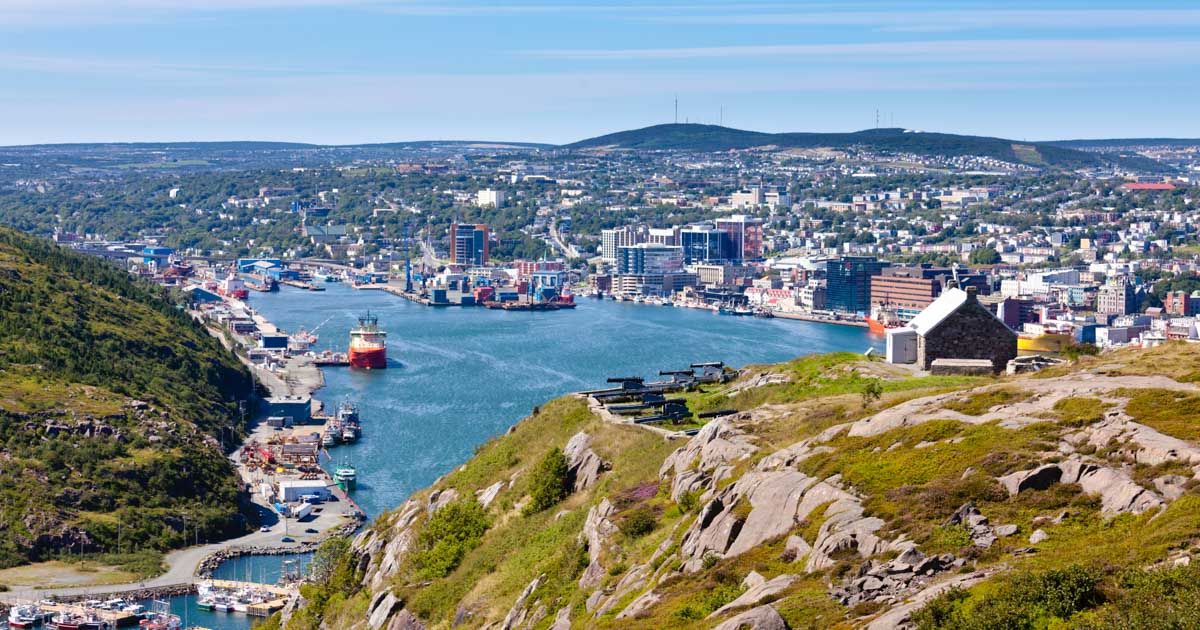
St. John's, NL, Canada

The Challenge

Pushing Performance: Science, Technology, & Discovery in Harsh Environments

Set against the UN Decade of Action for Cryospheric Sciences, the 2026 mission challenges teams to build technologies capable of working in cold, icy, and otherwise harsh marine environments. ROVs will document cold-water coral habitats, service ocean-observing infrastructure, assess risks to offshore operations, and connect wind energy to an oil platform, while a profiling float operates beneath the ice. At the World Championship in St. John’s, these systems will be tested across the Marine Institute and National Research Council’s flume, offshore engineering, and ice facilities.

Mission Objectives

Seabed 2030: A Kaleidoscope of Corals in Cold Water

  • Collect basket stars and coral species from the coral garden.
  • Create a scaled 3D model of the coral garden using photogrammetry or manual CAD.
  • Maintain position or fly a transect over the coral garden while operating in a current.
SmartAtlantic Alliance: Better Information, Better Decisions

  • Identify invasive European green crabs and report the results.
  • Survey an iceberg and measure its keel depth.
  • Determine the iceberg’s threat to offshore platforms and subsea assets.
  • Release a retrieval buoy and recover whale-safe fishing gear.
  • Attach a recovery line to a buoy anchor and return the line to the surface.
  • Replace an eDNA sensor and analyze biodiversity data.
  • Remove biofouling from the Holyrood Subsea Observatory camera.

Wind-Powered Offshore Oil Platform: Scalable Solutions for Global Energy Needs

  • Deploy a bubble curtain around the installation site.
  • Guide and install a micropile for an offshore wind turbine.
  • Retrieve a power connector from the wind farm subsea station.
  • Route the power cable through a waypoint.
  • Remove the oil platform port cover and install the power connector.

MATE Floats Under the Ice

  • Design and construct an operational vertical profiling float.
  • Communicate with the mission station before descending.
  • Complete two vertical profiles beneath the ice.
  • Maintain depth at 2.5 metres and 40 centimetres during each profile.
  • Transmit collected data after recovery.
  • Graph the float’s depth over time.

Meet the ROV

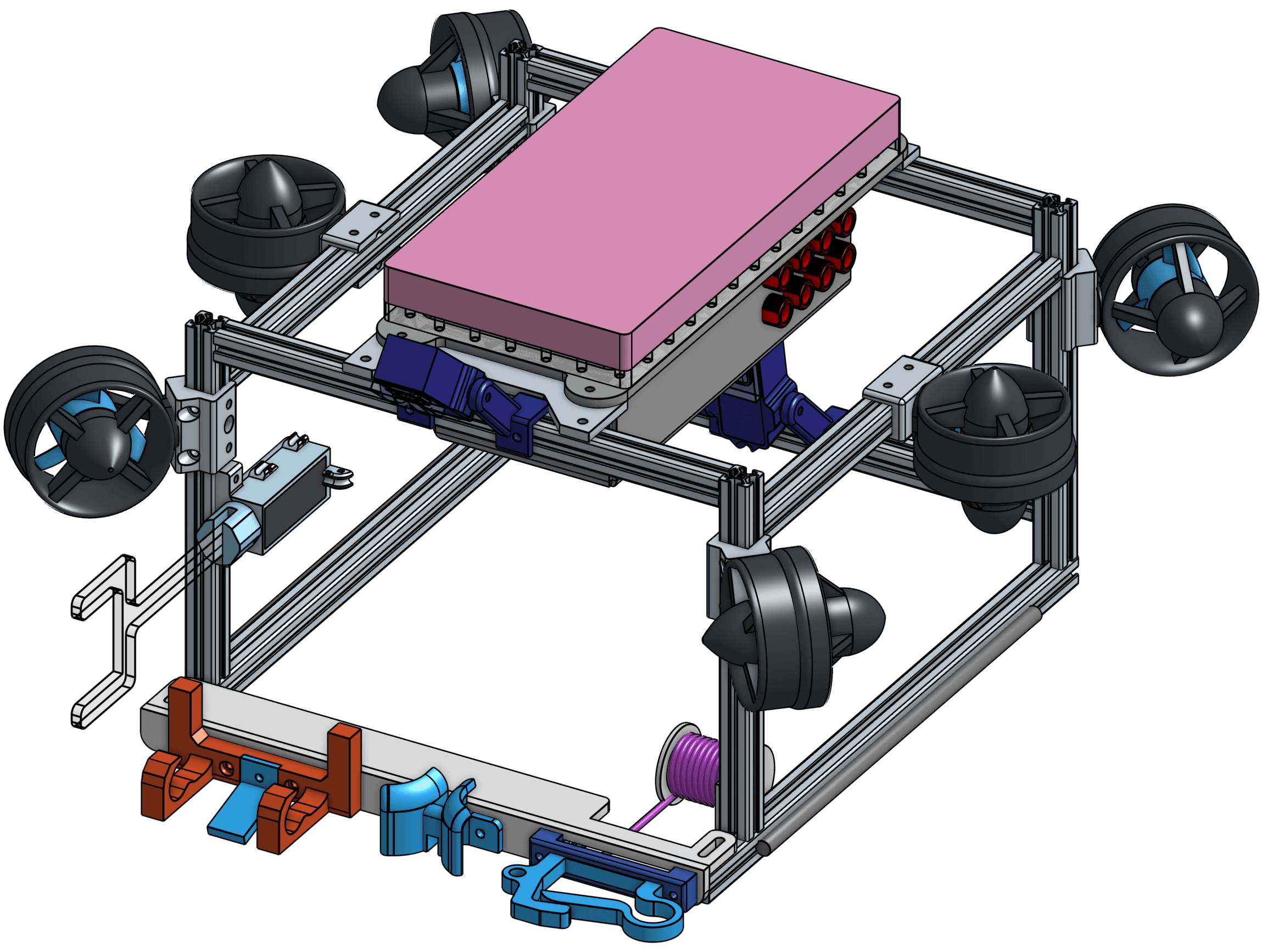
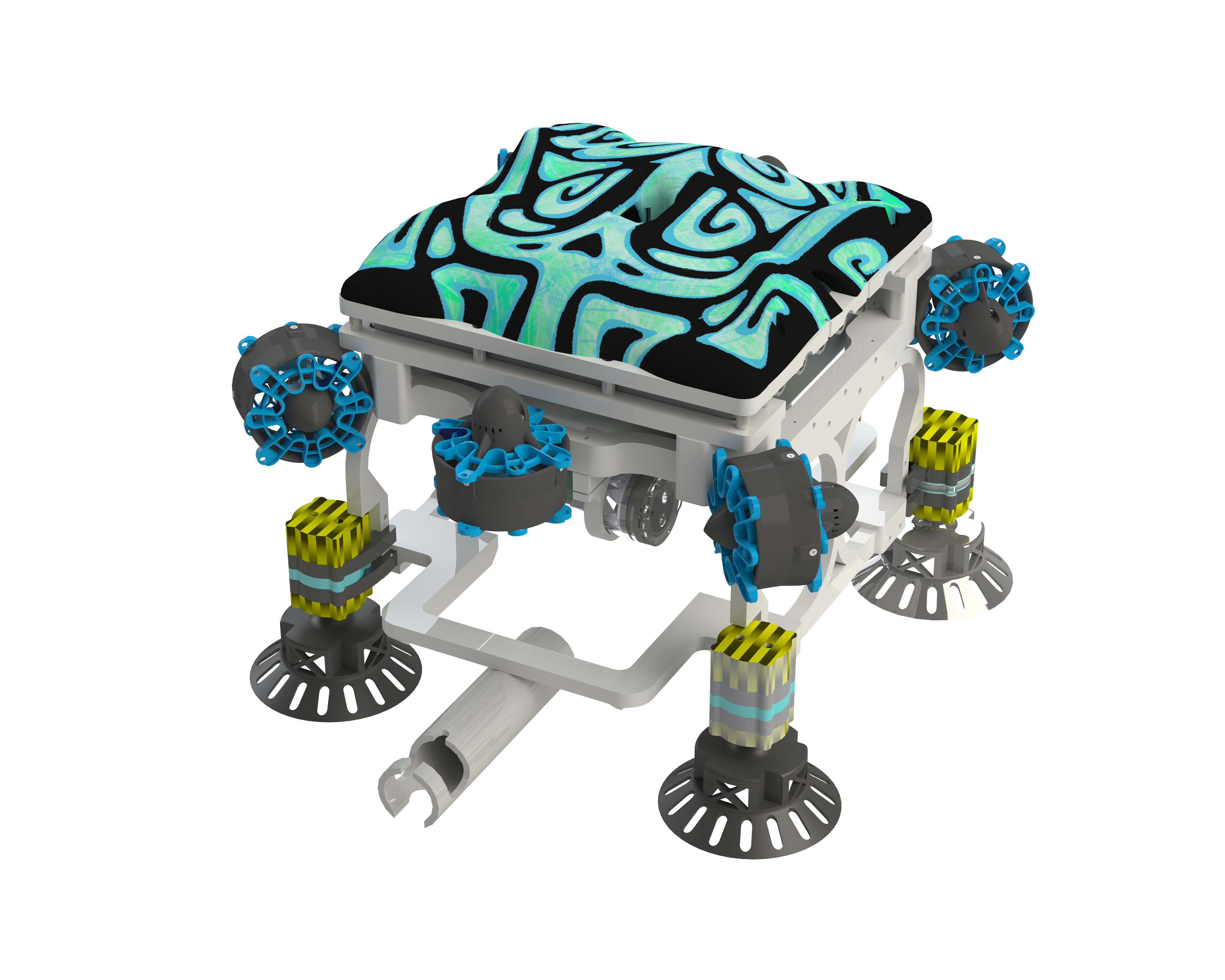
Florizel remotely operated vehicle

Florizel

Florizel, or Flo for short, was named in honour of the 100th anniversary of the S.S. Florizel, a passenger ship that sank off the coast of Newfoundland in 1918.

Width
60 cm
Length
60 cm
Height
31 cm
Weight
16.56 kg
Cost
$5,376.12

Awards

1st PlaceOverall

Reflects the team’s combined performance across the full competition, including in-water mission tasks, technical documentation, the engineering presentation, and the marketing display.

Oceaneering HSE Award

Recognizes teams for exemplary health, safety, and environmental practices, including responsible housekeeping, PPE use, tool and electrical safety, safe lifting, and job safety analysis.

Documents